Travelling the Faroe Islands with Children
Travelling the Faroe Islands with children in a campervan is both simple and rewarding, but you might wonder how family life works on the road, and what activities await along the way?
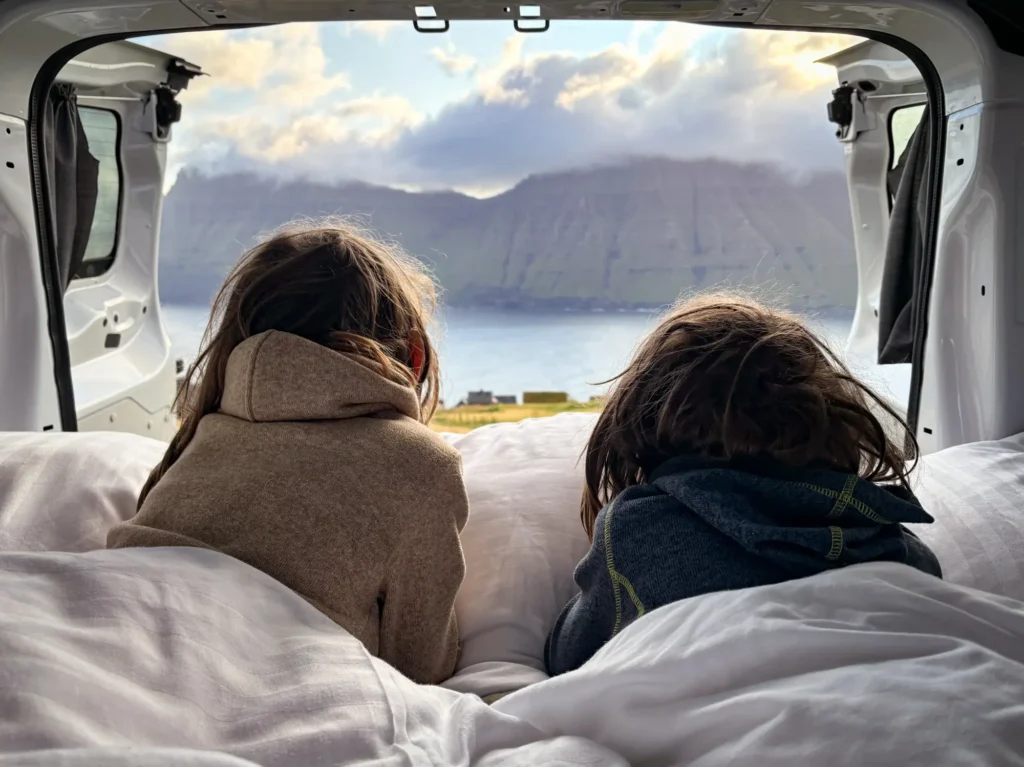
Let’s be honest. Space in a campervan can quickly feel tight, and let’s address it straight away: we don’t have amusement parks with wild roller coasters or zoos with animals behind fences. What we do have, however, is wild nature with animals and plant life right outside your door. Even when it rains.
We have a saying in the Faroe Islands: “Tað er sum at sletta vatn á gás.” It roughly means: “it makes no difference.” Literally, you can pour water over a goose, but it doesn’t get wet … it just rolls off, and the goose carries on. It’s a great illustration of another saying: there’s no such thing as bad weather, only bad clothing. So make sure to bring clothes that don’t take up too much space but still allow you to be outdoors no matter the weather.
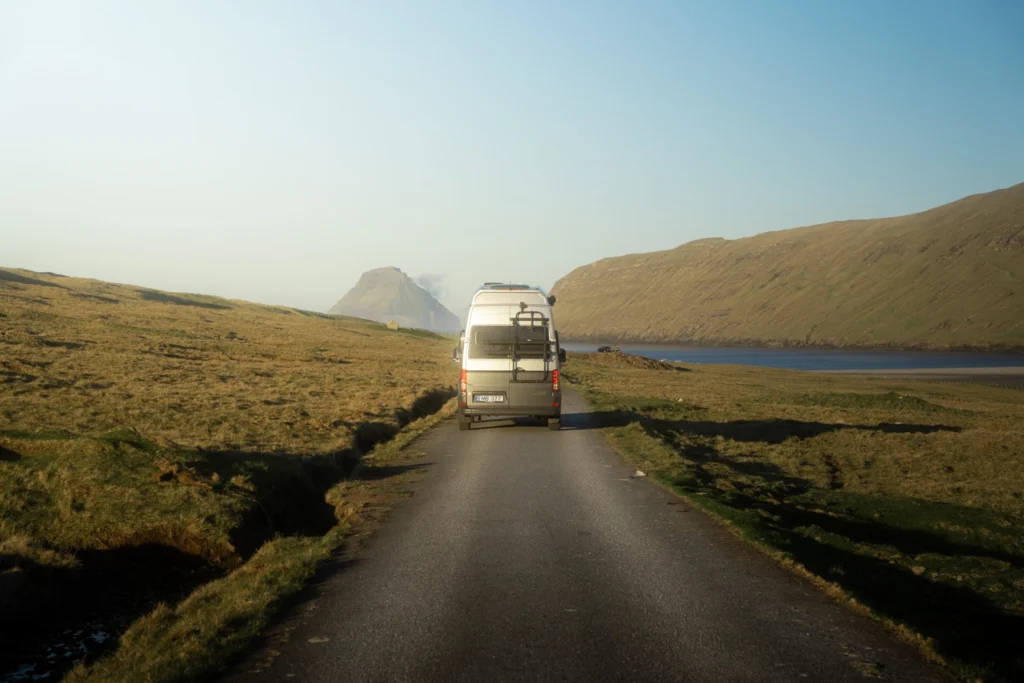
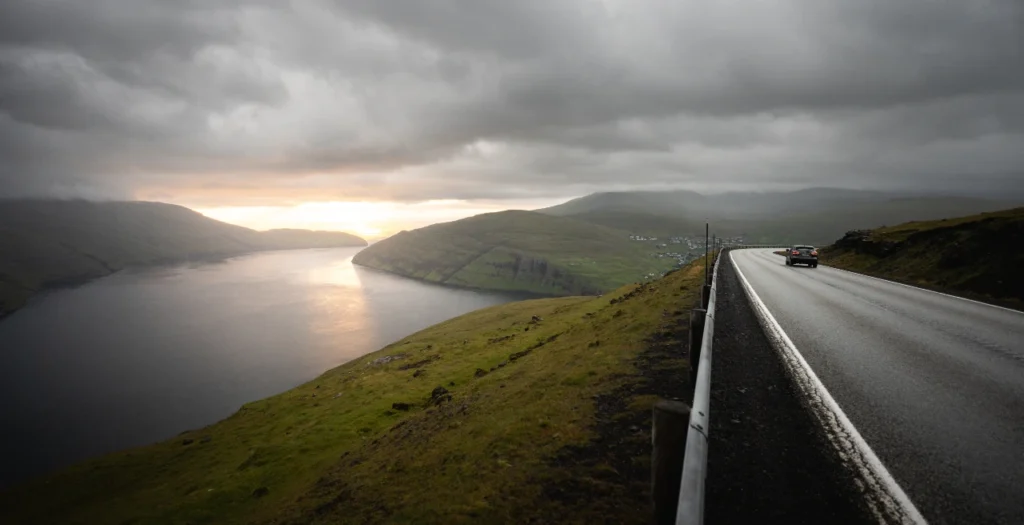
Because if there’s one thing you can’t rely on in the Faroe Islands, it’s the weather. The sun might be shining when you wake up. Half an hour later, fog rolls in and hides everything. Suddenly, heavy rain pours down and the wind picks up while a single ray of sunlight sweeps across the ocean. Then the clouds part again and reveal a whole new view. The earth steams, a rainbow stretches across the sky, and birds sing in the trees and call from the mountains.
A good piece of advice when travelling with children is therefore: don’t promise what you’ll do tomorrow or even later today. Instead, have a range of options depending on the weather. Let yourselves be surprised.
Family Hiking Adventures
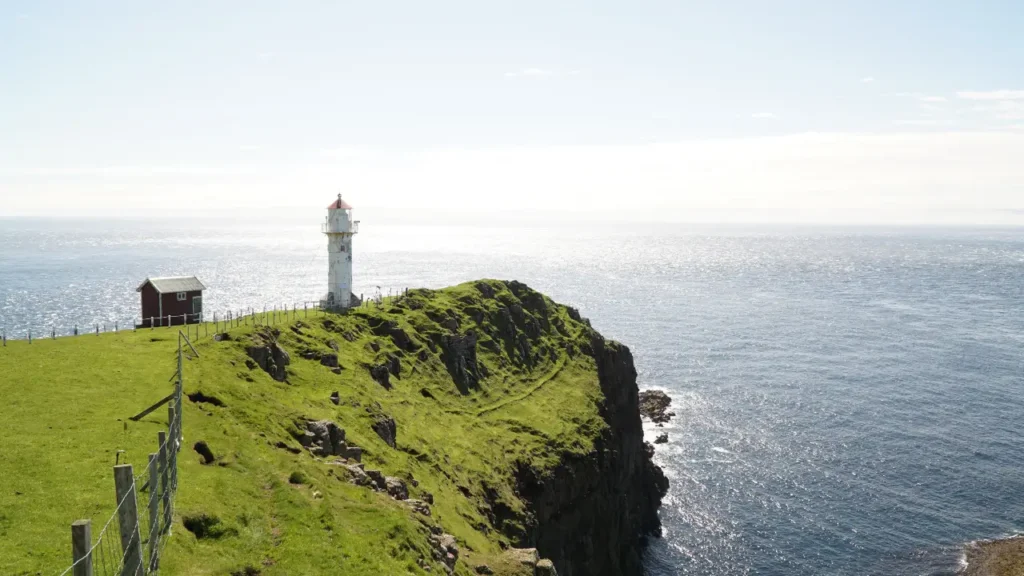
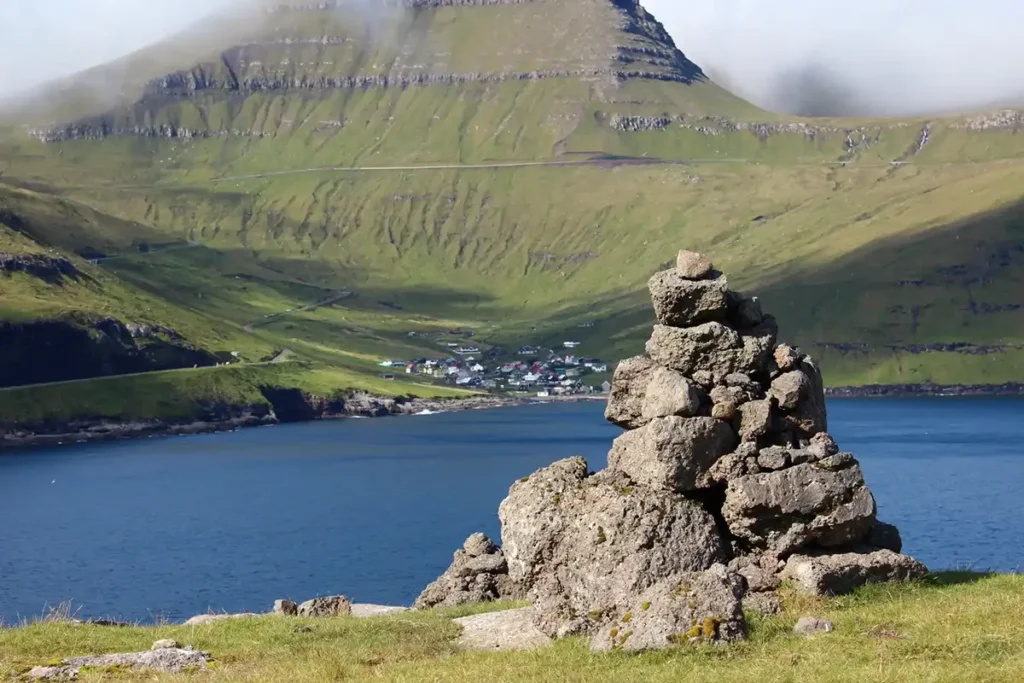
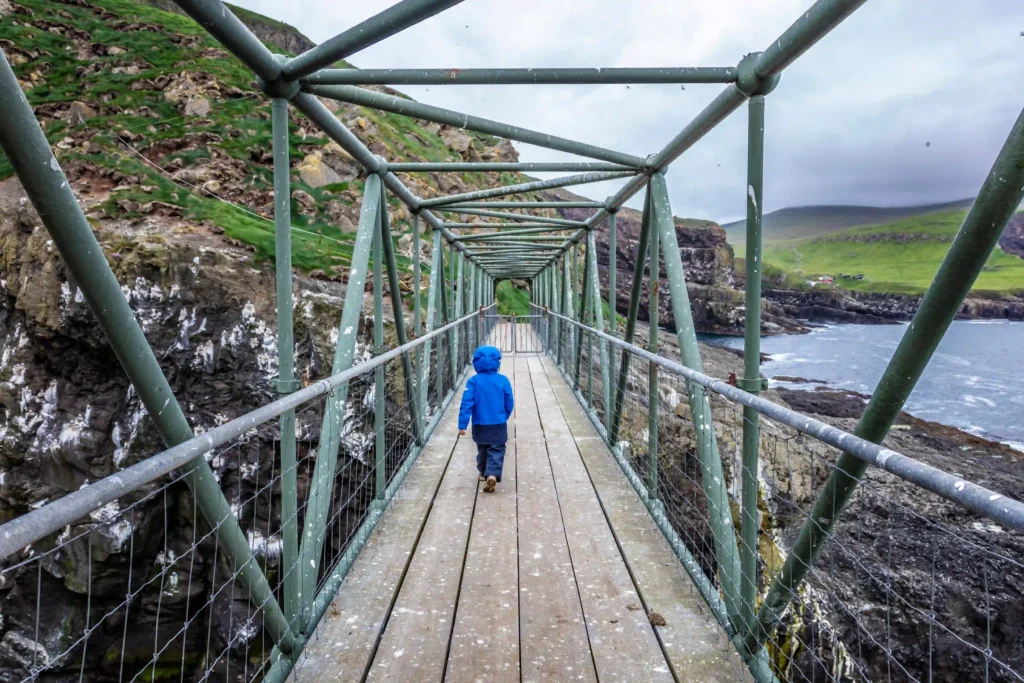
The Faroe Islands are made for hiking. You can walk along lakes, out to lighthouses, or across mountain ridges. Some routes require permission or a small fee, but many are free, especially the old village paths known as Bygdagøtur, which once connected communities.
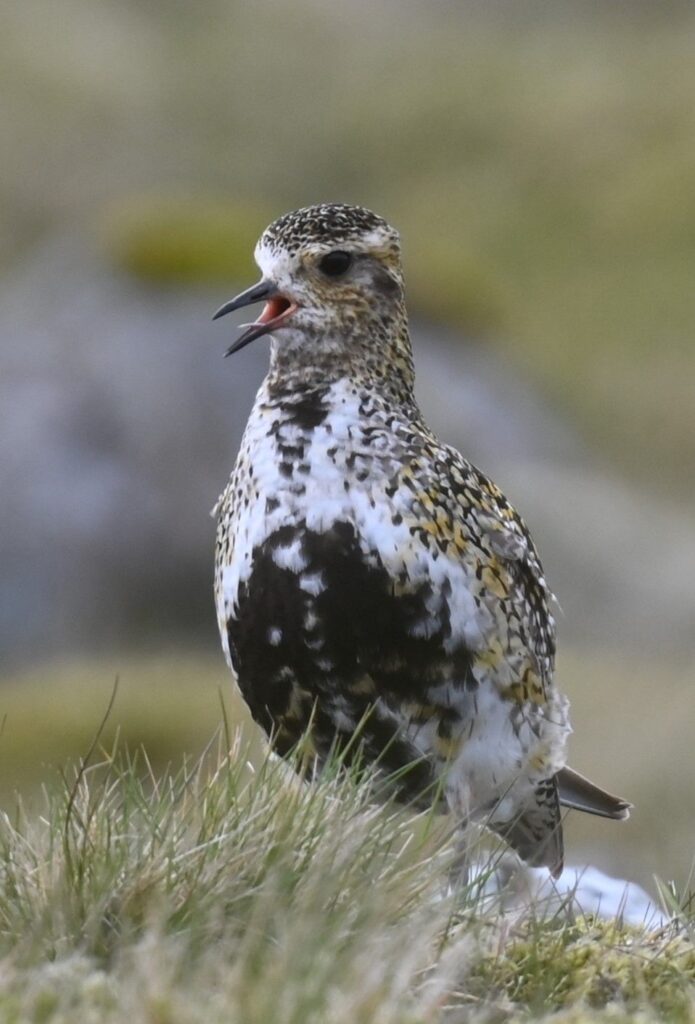
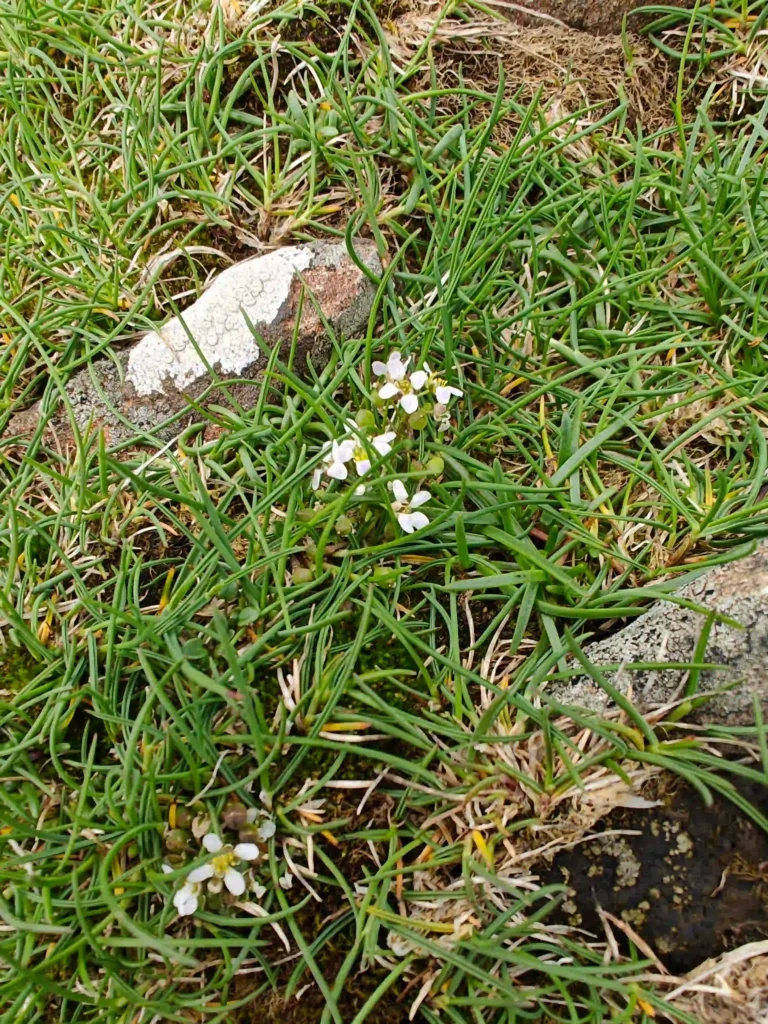
Pack a lunch and some snacks, and take your time. Stop, listen, can you hear birds? If you’re quiet, you might spot species like the Eurasian oystercatcher with its chicks, or hear the melancholic call of the golden plover.
If you enjoy using technology, there are apps that can help identify birds and plants. You can also find laminated guides in local bookstores and at the National Museum.
Legends and Storytelling of the Faroe Islands
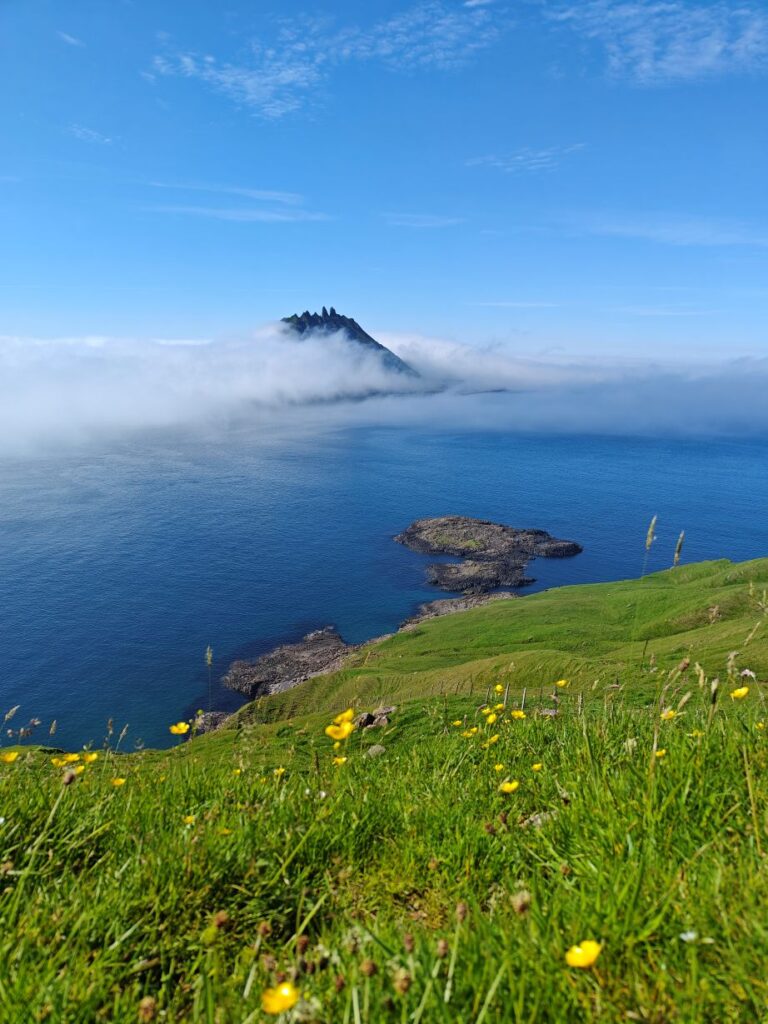
Faroese history is rich with stories of Vikings, trolls, and hidden people. Many of these legends are tied to specific places across the islands.
You can listen to these stories by downloading a free app and scanning QR codes placed around different locations. Some stories are also available in English in the book “Legends from the Faroe Islands”. Read more on the website Rami.
Visiting Local Farms in the Faroes
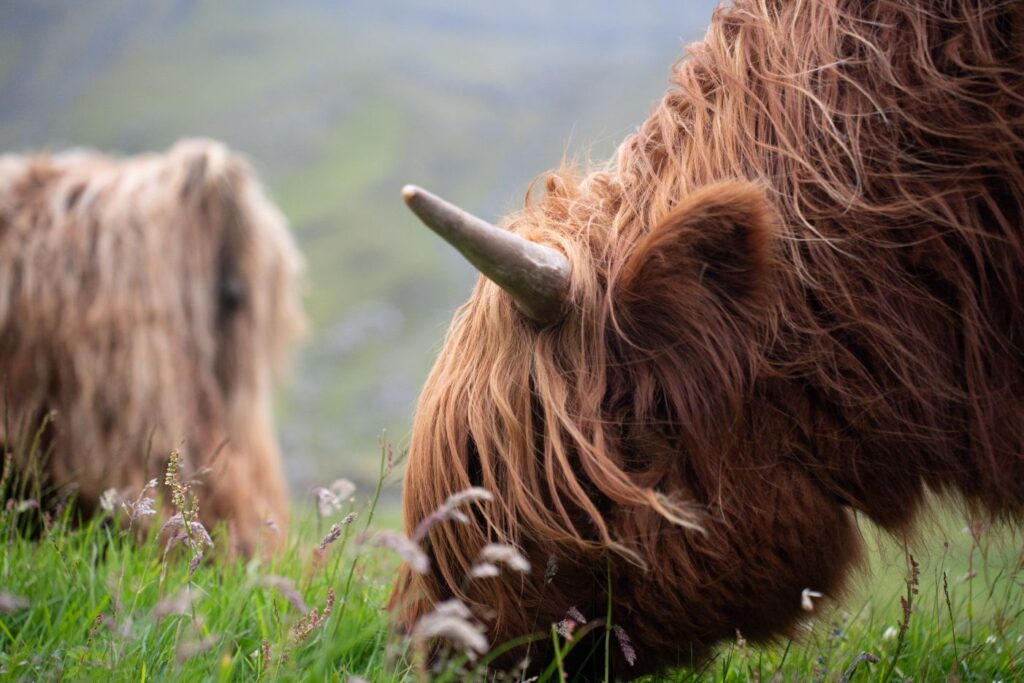
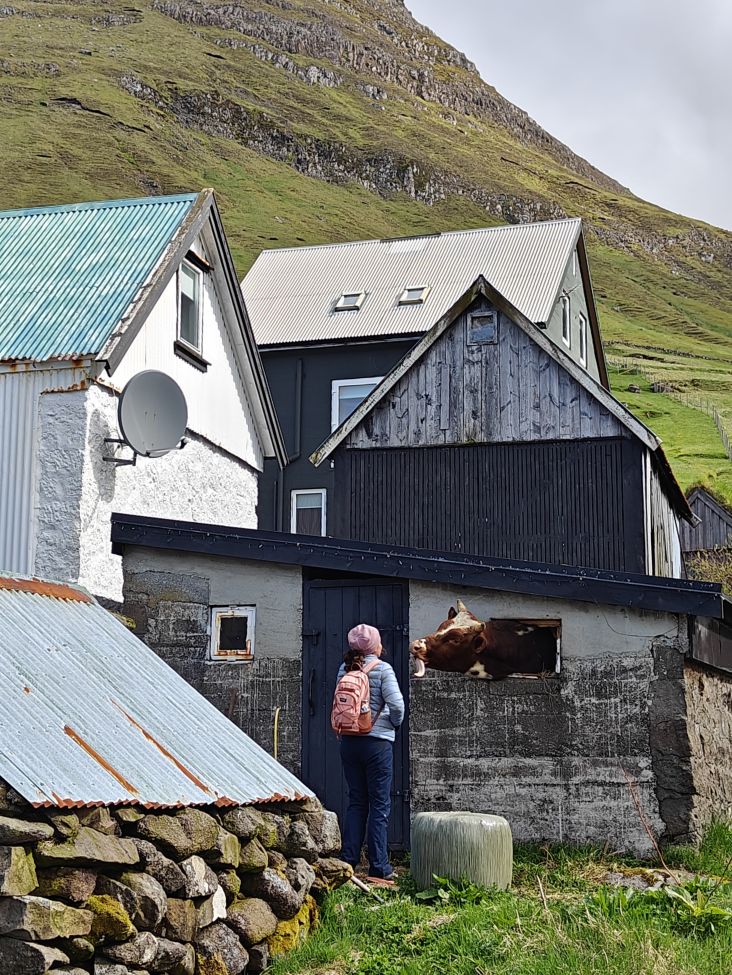
There are many farms in the Faroe Islands and some of them welcome visitors, giving you the chance to see how the animals live and get up close.
For example, Varmakeldugarðurin has both dairy cows and sheep, and the farm is named after a warm spring located on its land.
There’s also Hanusarstova in the small village of Æðuvík; a small farm with many different animals that the children can greet.
And in the northernmost village of the Faroe Islands, Viðareiði, you’ll find Leitisgarður. Here, the farmer is happy to share stories about life on the farm, which is home to friendly sheep, ducks, chickens, swan geese, and a curious turkey named Virgar. Virgar lives together with the other birds in their own little unique “village.”
Free Play – Bring Everybody Along
If you’re looking for something free to do, there are public playgrounds in nearly every village and neighbourhood. You’ll often see Faroese children playing there, even late in the evening during the bright summer nights.
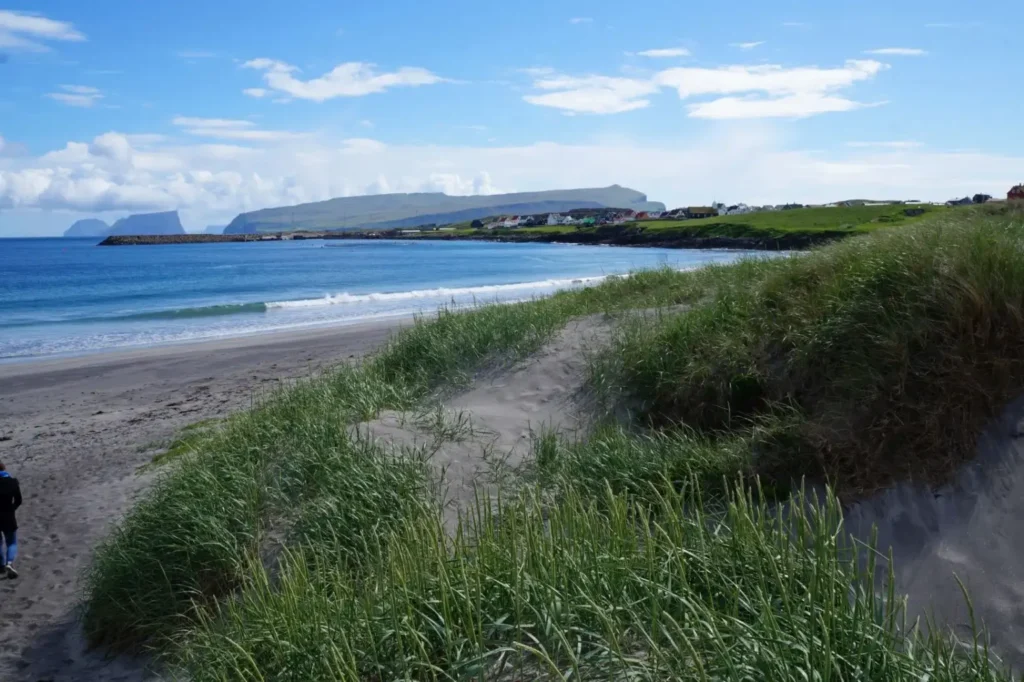
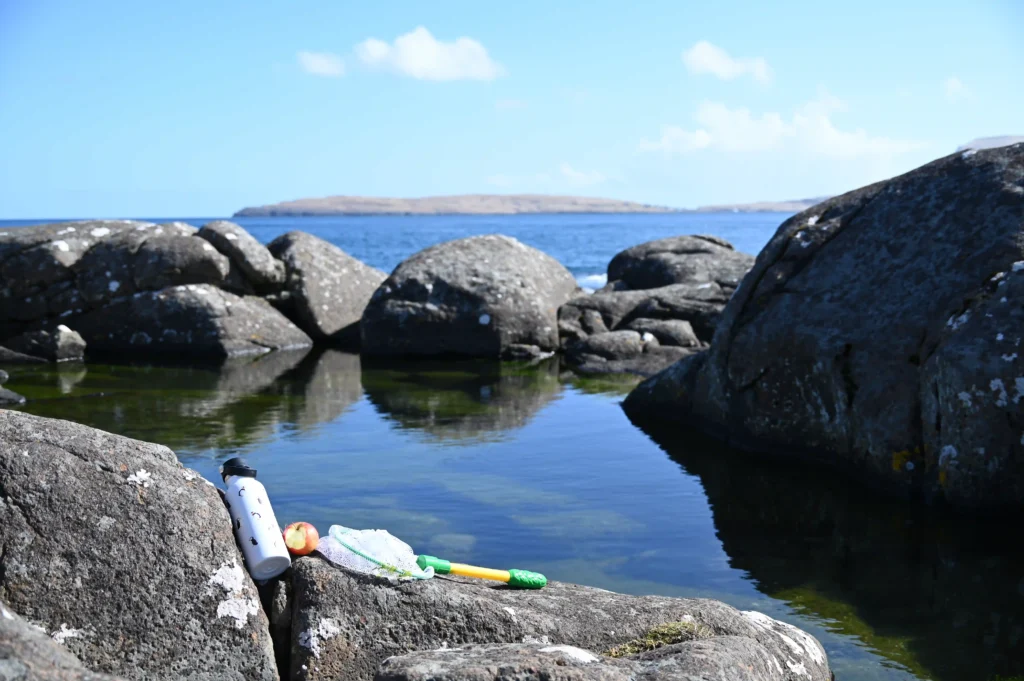
Pack a fishing net, bucket, and shovel, and head to the beach. Most beaches here are dark grey, formed from eroded basalt, but there are also a few with white sand, and even one with sand dunes, located on Sandoy.
Look for shells and interesting stones. Build sandcastles and dip your feet in the waves.
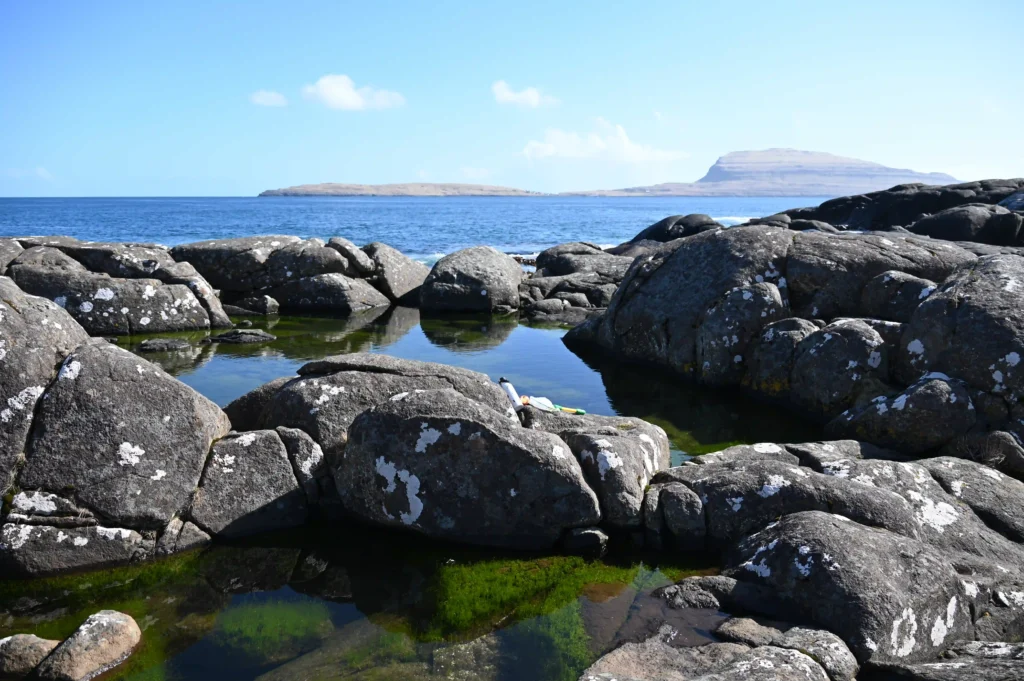
Along the coastline, you’ll often find small pools in the rocks filled with seawater, in essence tiny natural ponds. You might be lucky enough to find sticklebacks, tiny fish that many Faroese children like catching. They’re fast and tricky.
Treasure Hunting (Geocaching) with the Kids
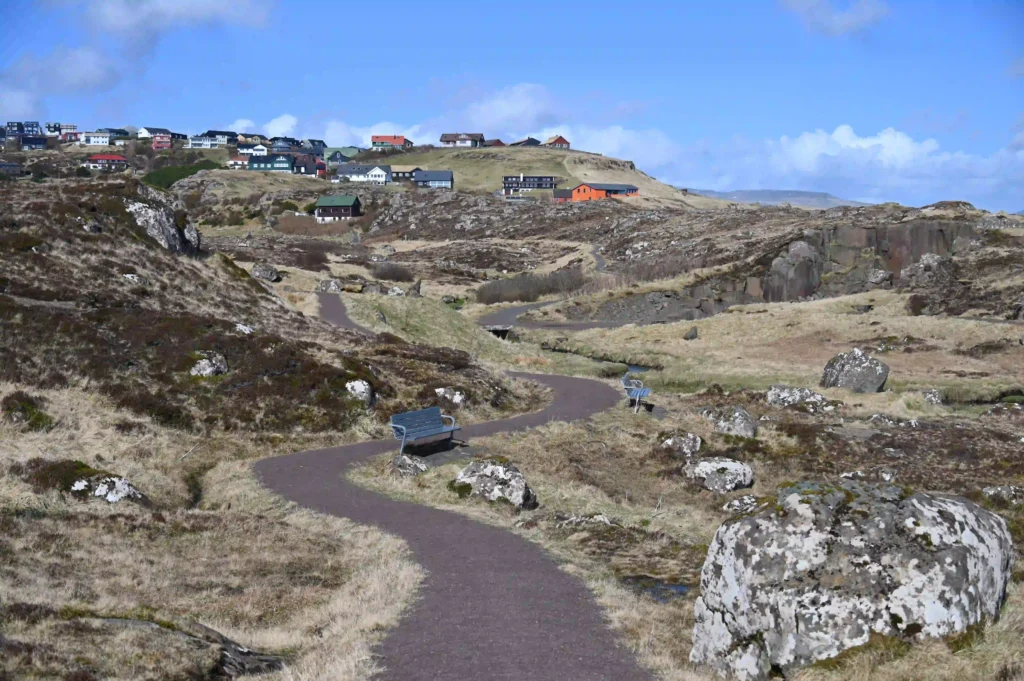
No matter your age, treasure hunting is always exciting and the Faroe Islands are full of hidden treasures.
We’re not talking about scenic viewpoints here, but actual hidden “geocaches.” Around Tórshavn alone, there are roughly 70 waiting to be discovered.
Geocaching is a global outdoor activity that combines adventure, technology, and nature. Using your phone’s GPS, you follow clues to find hidden containers. Sometimes it’s just a small box with a logbook, occasionally with small items for trading. The real reward is the experience.
If you’re new to geocaching, it’s easy to get started and it’s free. Just remember to keep an eye out for “muggles”!
Museums and Creative Activities in the Faroe Islands
If you’re looking for indoor activities, there are plenty of options. Visit the Faroese Aquarium and discover the fish species found in local waters. Or get creative. Make your own jewellery or try working with clay. In Tórshavn, you’ll find KRIA Studio, and in Vestmanna, there’s the ELVA ceramic café.
While you’re in Vestmanna, you might also (if you dare) visit the Saga Museum. With lifelike wax figures and vivid storytelling, it gives insight into parts of Faroese history, including Viking battles and pirate attacks.
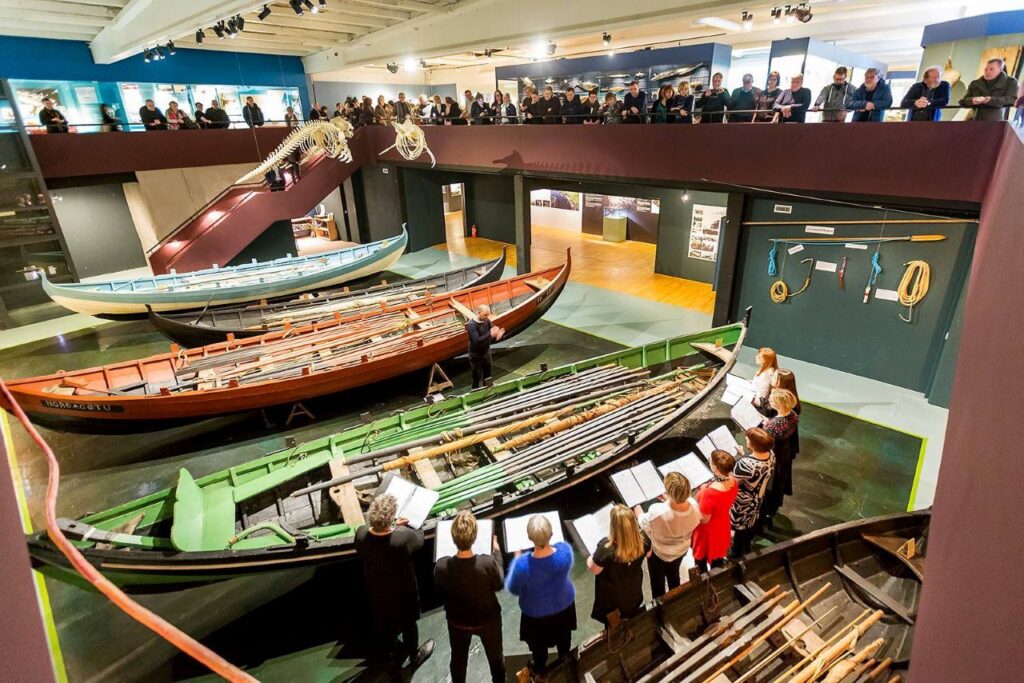
If that sounds a bit intense for younger children, the National Museum offers a calmer experience, where you can learn about the islands’ formation, wildlife, traditional wool processing, and much more. You can even take a family photo dressed in Viking-style clothing.
Swimming Warm and Cold in the Faroes
You might wonder what Faroese families do on weekends and holidays when the weather is rough. One of the most popular activities is going to the swimming pool.
Partly because we want our children to learn how to swim when surrounded by ocean, but also because it’s a great activity for the whole family.
Almost every village has a swimming pool or an outdoor basin, often connected to the local school. In the larger towns, you’ll find public swimming halls, some with warm-water pools, slides, hot tubs, and saunas.
You can find more information about the four largest swimming pools here:
Tórshavn Swimming Pool
Svimjihøllin Bylgjan, Eysturoy
Klaksvík Swimming Pool
Pálshøll, Suðuroy
Of course, you can also take a dip in the ocean. The sea temperature is around 8°C all year round, whether it’s summer or winter. Just remember to never swim alone.
In recent years, several places around the Faroe Islands have become popular for sea dipping from small piers, followed by warming up in a sauna. Some publicly accessible spots include:
Sauna og Hottub i Tórshavn
Saunadypp í Glyvrar, Eysturoy
Sjódypp ved Tjaldavík, Suðuroy
Camping Life with the Family on Rainy Days
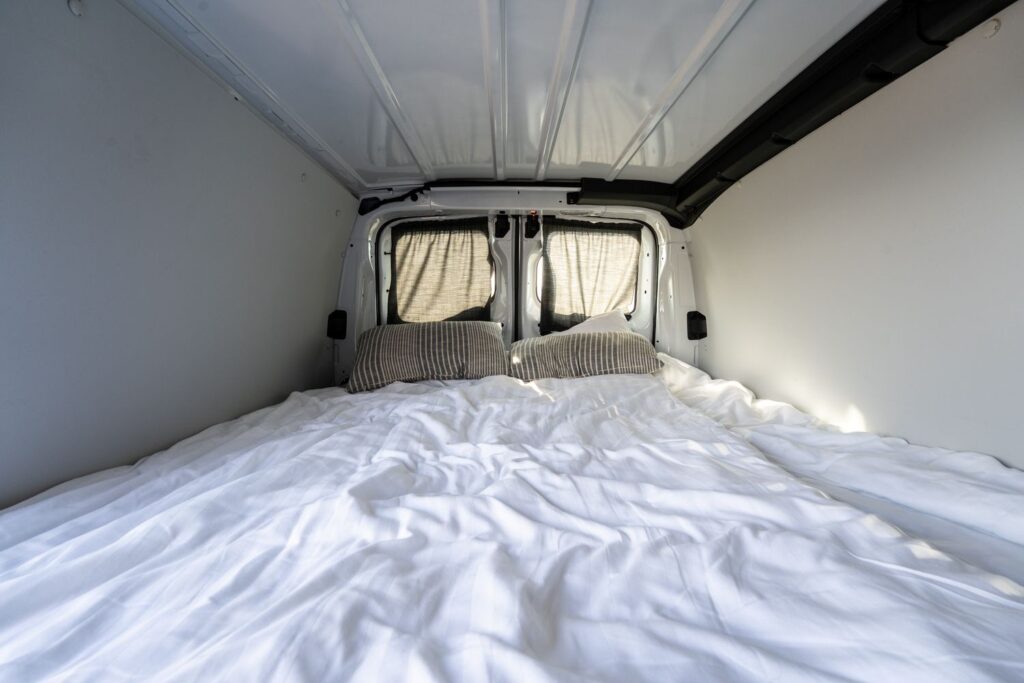
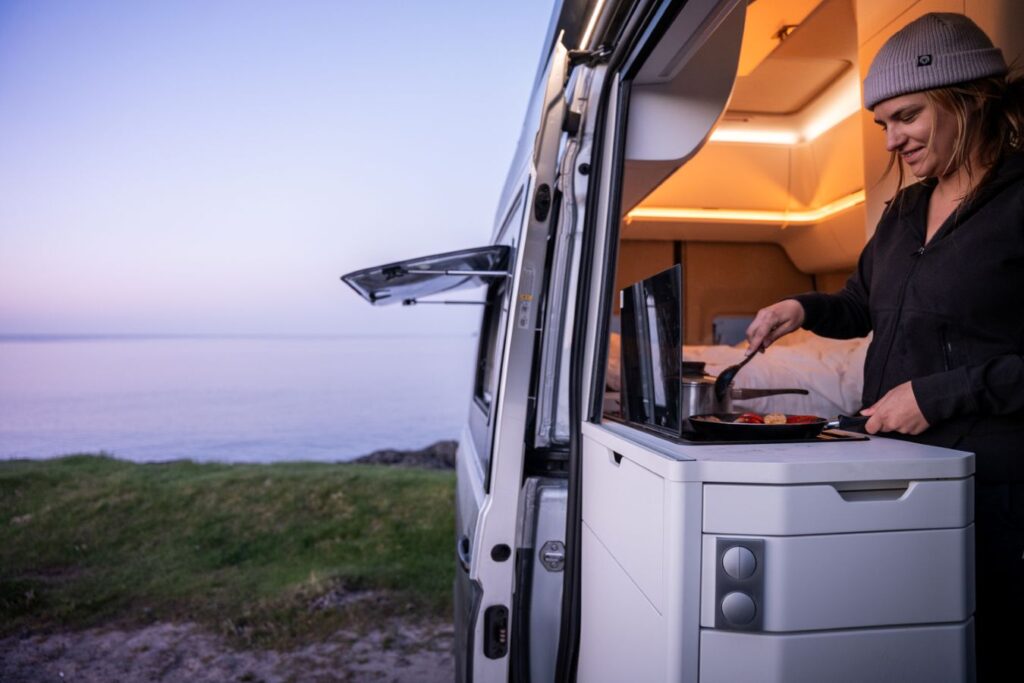
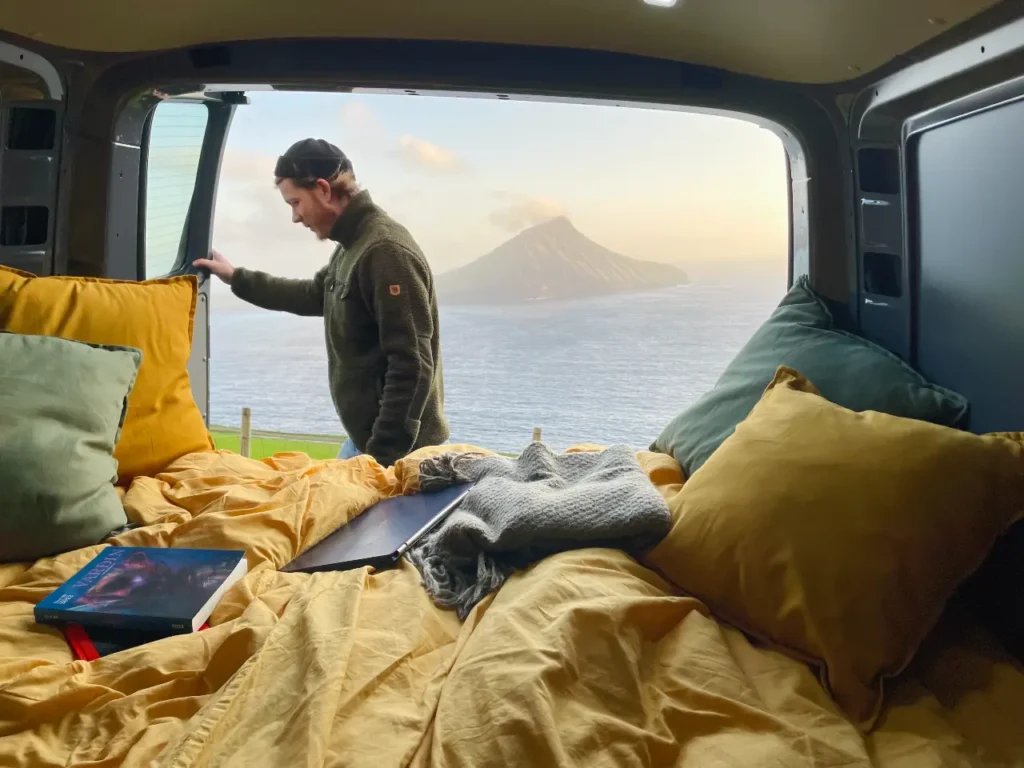
A full day of heavy rain can feel a bit tight in our campervans. But don’t let that set you back. There are plenty of things to do, both inside and outdoors.
Cosy Camper Moments
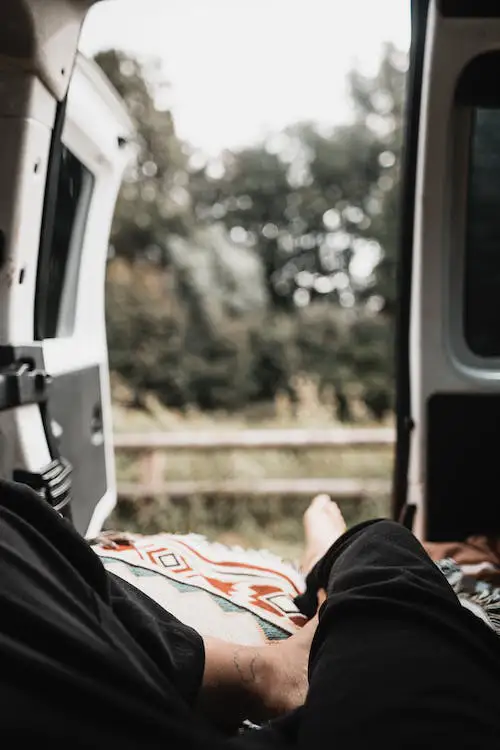
Use the time for something you rarely get around to … like slowing down. Read stories aloud to each other. Crawl under the blankets with a flashlight and pretend you’re in a cave. Tell stories about trolls living in the mountains or the hidden people said to dwell inside the rocks, quietly trying to lure humans into their world.
Embracing the Rain
Put on your waterproofs and boots and head outside. Jump in puddles. Watch streams swell and rush down the mountainsides. Listen to the sounds of nature.
You can also go for a drive and count how many waterfalls you spot. On windy days, you might even see waterfalls being blown upwards, a local phenomenon we jokingly call waterfalls “lifting their skirts,” when the wind pushes the water back up instead of letting it fall.
The Faroe Islands have much to offer, also for families with children.