
Quick Guide & Best Way To Travel
Planning to camp in the Faroe Islands?
Before you pack a tent or book a Campervan, there are a few things you need to know. Wild camping is not allowed, the weather changes quickly, and overnight stays must be planned around designated campsites.
A Campervan gives you the camping feeling with a warm, dry place to sleep, room for your gear, and the flexibility to explore during the day.
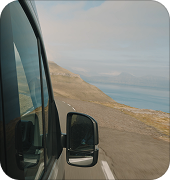
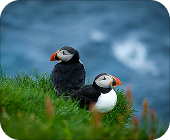


Can You Camp in the Faroe Islands?
Yes, but only at designated campsites.
Unlike some Nordic destinations, the Faroe Islands do not have a general right to wild camp. You cannot simply pitch a tent in the landscape or sleep overnight in a campervan at a viewpoint, layby, rest stop, or roadside parking area.
That may sound restrictive, but it helps protect the fragile landscape and wildlife.
What this means for travelers:

Overnight stays
must be at campsites

Check out campsites at
camping.fo →

Planning your stops
in advance is helpful
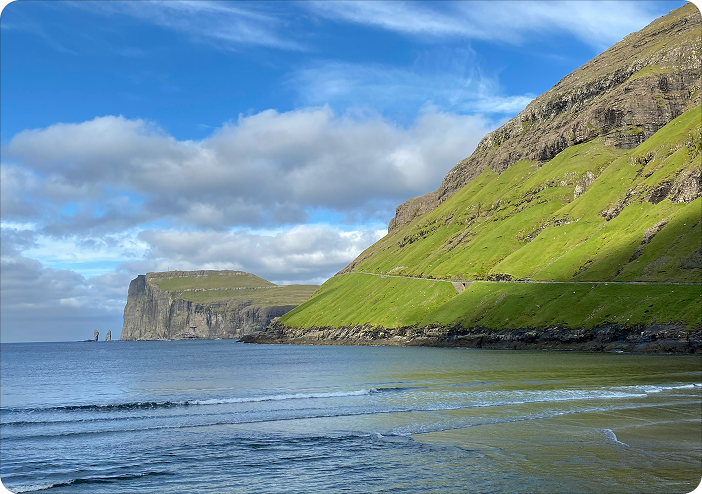
Why camping in the Faroe Islands is Different
How to prepare and what to expect
Fast-changing weather
Sun, fog, wind, and rain can all arrive on the same day. A good camping trip here requires appropriate packing (layers) and a flexible agenda.
The best camping trips in the Faroe Islands are planned but not overplanned. Know where you can sleep, then leave room for weather, ferries, and scenic detours.
That is why many travellers choose a campervan.
You travel with your bed, storage, cooking space,
and shelter with you.
Our preferred
way to camp
The Faroe Islands are great for traditional camping, but a campervan gives you that extra comfort and freedom to explore at your own pace.
With a campervan, you travel with:


A comfortable home on wheels

Shelter from wind and rain

Flexibility to change plans instantly

Less packing, more exploring
Camping Sites in the Faroe Islands
The islands offer a variety of camping locations, including remote nature spots and well equipped campsites near towns.
What to expect:

Basic sites with toilets and water facilities

Larger campsites with showers and kitchens

Scenic locations by the ocean, lakes, or mountains

A very safe travel destination
Recommended areas to plan around
Camping in the Heart of Tórshavn
Camping at Eiði: Between the Lake and the Atlantic
Elduvík Campsite: Peaceful Camping with Ocean Views
Tip: There’s typically good availability but we recommend booking a few days in advance, especially during high season.
Use designated camping areas
Leave no trace
Respect landowners
Drive responsibly & in line with local laws
Simple rules to camp by
Following these simple rules will go a long way when camping in the Faroe Islands.
They will also help protect the natural landscapes and local communities.

Key guidelines:
Good to know: The Faroe Islands are considered a very safe camping destination, with low crime rates, welcoming local communities, and a strong sense of social trust.
How to prepare for your camping trip
Being prepared for the Faroe Islands’ rapidly changing weather is one of the most important parts of planning your camping trip
Essentials:

Warm, waterproof
clothing

Layers for
changing weather

Hiking shoes, headwear
and thin gloves

Stay connected
while hiking for safety
Fact: Summer averages 7 to 12 degrees Celsius (47-54°F), and it gets cold at night. Even at the height of summer, it still rains 12 days per month on average.
One Campervan. Everything You Need.
Camping in the Faroe Islands is less about “roughing it” and more about smart travel.
A camper van combines:
Transportation
Accommodation
Flexibility

All in one.
Less planning, less packing, more comfort, and
more time for the views, villages, hikes, and open road
FAQs
Find answers to most of your questions below
Ready to Explore the Faroe Islands Your Way?
Travel with your bed, gear, and shelter all in one and enjoy the freedom to explore the islands at your own pace.